Category: Review

  • Longlegs

    Longlegs

    Review

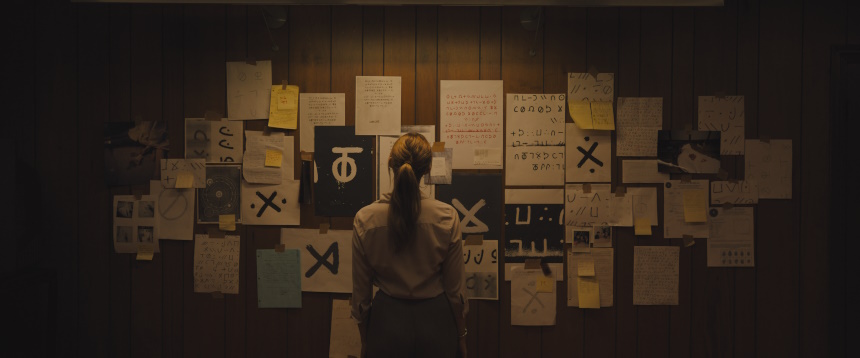
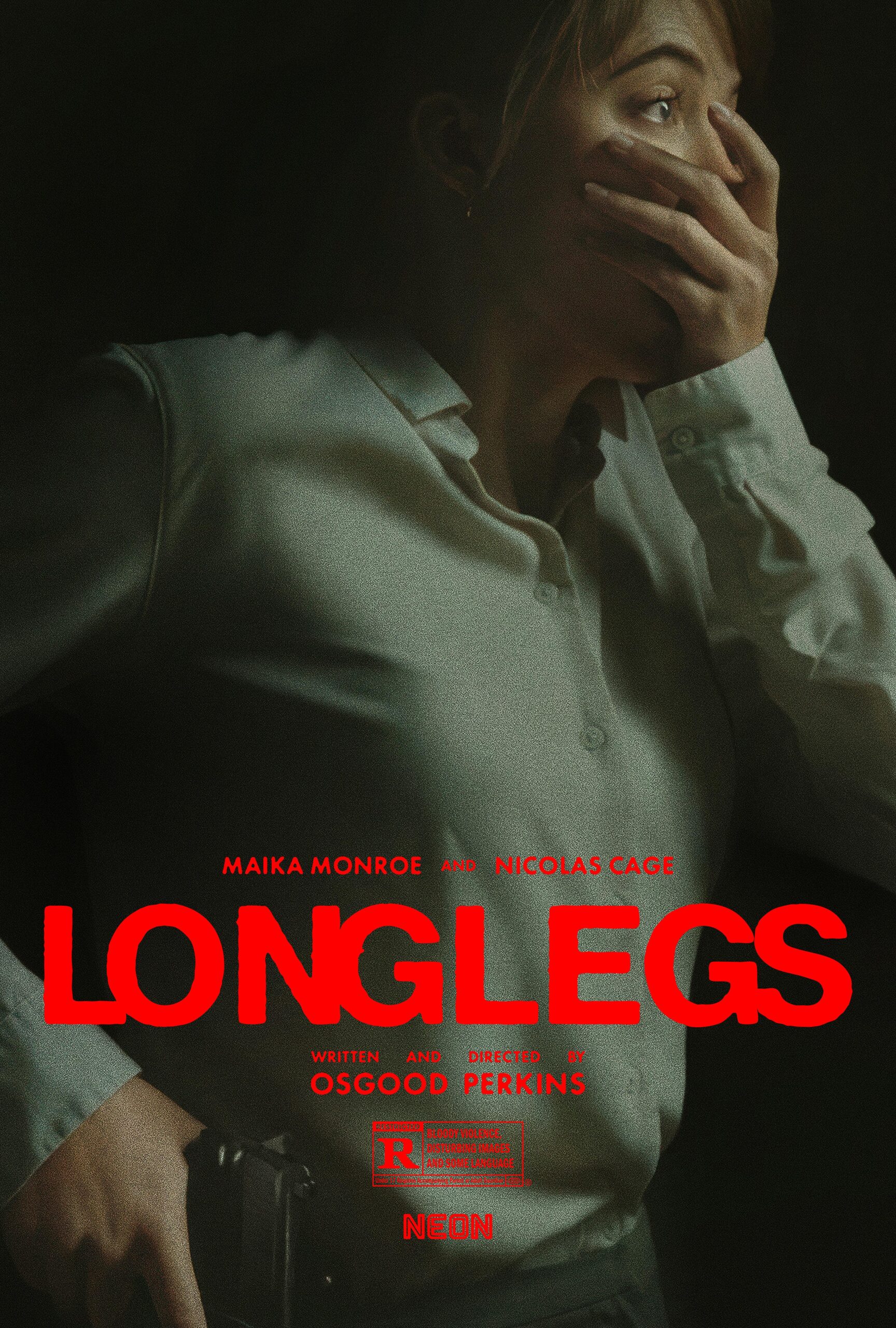
    Some movies unsettle you with loud shocks, sudden violence, or over-the-top gore. This one does it by never letting you feel safe for even a second. From the opening shot, there’s this thick, smothering unease that settles in and refuses to leave. You can’t quite name what’s wrong, but you feel it in every frame. It’s the silence that lingers too long, the rooms that feel too empty, the way the air itself seems tainted. Longlegs doesn’t just want to scare you—it wants to infect you. And it succeeds.

    The atmosphere is the main weapon here. Every scene feels stretched just a little too thin, like something is about to break, but the movie holds it just out of reach. You’re constantly waiting for the snap, and when it finally comes, it doesn’t feel like release—it feels like confirmation of the dread you’ve been carrying the whole time. That’s what makes the film work so well: it doesn’t burn itself out with easy scares. It keeps its grip on you by making sure you never stop anticipating something worse.

    The procedural framing is almost a trick. On paper, this is about an investigation—agents piecing together evidence, trying to get ahead of a killer. But the details of the case, the mechanics of the investigation, none of that really matters. The real story is the atmosphere, the suffocating sense of inevitability. You’re not here for answers. You’re here to watch dread coil tighter and tighter until it feels unbearable. That choice makes it less of a detective story and more of a nightmare disguised as one.

    And then there’s Nicolas Cage. His performance here is something else entirely. Normally when actors go big, it feels showy, like they’re trying to draw attention to themselves. Cage in this role feels the opposite. He doesn’t play a person—he plays a contagion. Every movement is off, every line is twisted into something grotesque. The makeup, the voice, the physicality—it all pushes him beyond “eccentric” and into the realm of something alien. He doesn’t feel like a man you can catch. He feels like a curse you can’t shake. It’s unhinged, it’s horrifying, and it’s exactly what the movie needs.

    What’s impressive is how much restraint the film shows around that performance. It doesn’t flood the story with Cage, doesn’t let him dominate every frame. It doles him out in just the right measure, so that every appearance lands like contamination. By the time he’s fully in focus, you’re already sick with dread. He doesn’t need to do much—his presence is enough.

    The ending is maybe the only place where the film stumbles. It’s not bad, not by a long shot, but after so much tension, you want the finale to crush you. Instead, it lands just a little softer than it could have. It still works—it still leaves you reeling—but there’s a nagging feeling that the film almost, almost had one more level to unlock. Even so, when the mood has already burrowed this deep, the slight dip doesn’t undo the experience.

    What sticks with you afterward isn’t the specifics of the case or even the kills. It’s the infection of it all—the way it makes you feel like the movie is still watching you after it ends. Like something followed you out of the theater and sat down in the corner of your room. That’s rare, and that’s what makes it effective. The flaws don’t matter when the vibe is this potent. By the time the credits roll, you’re not analyzing the story—you’re just sitting there with your skin crawling. And for me, that impact is worth a 4.5/5.
  • Bring Her Back

    Bring Her Back

    Review

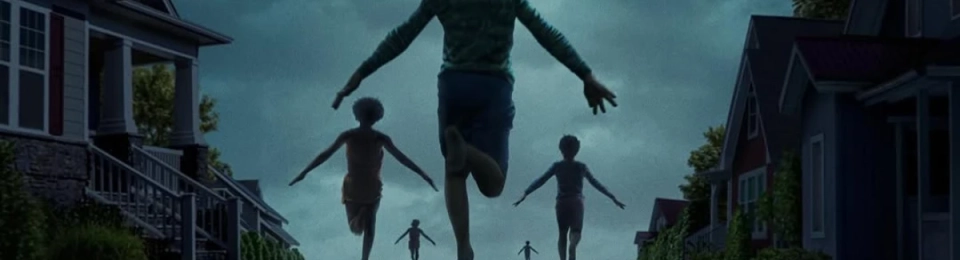
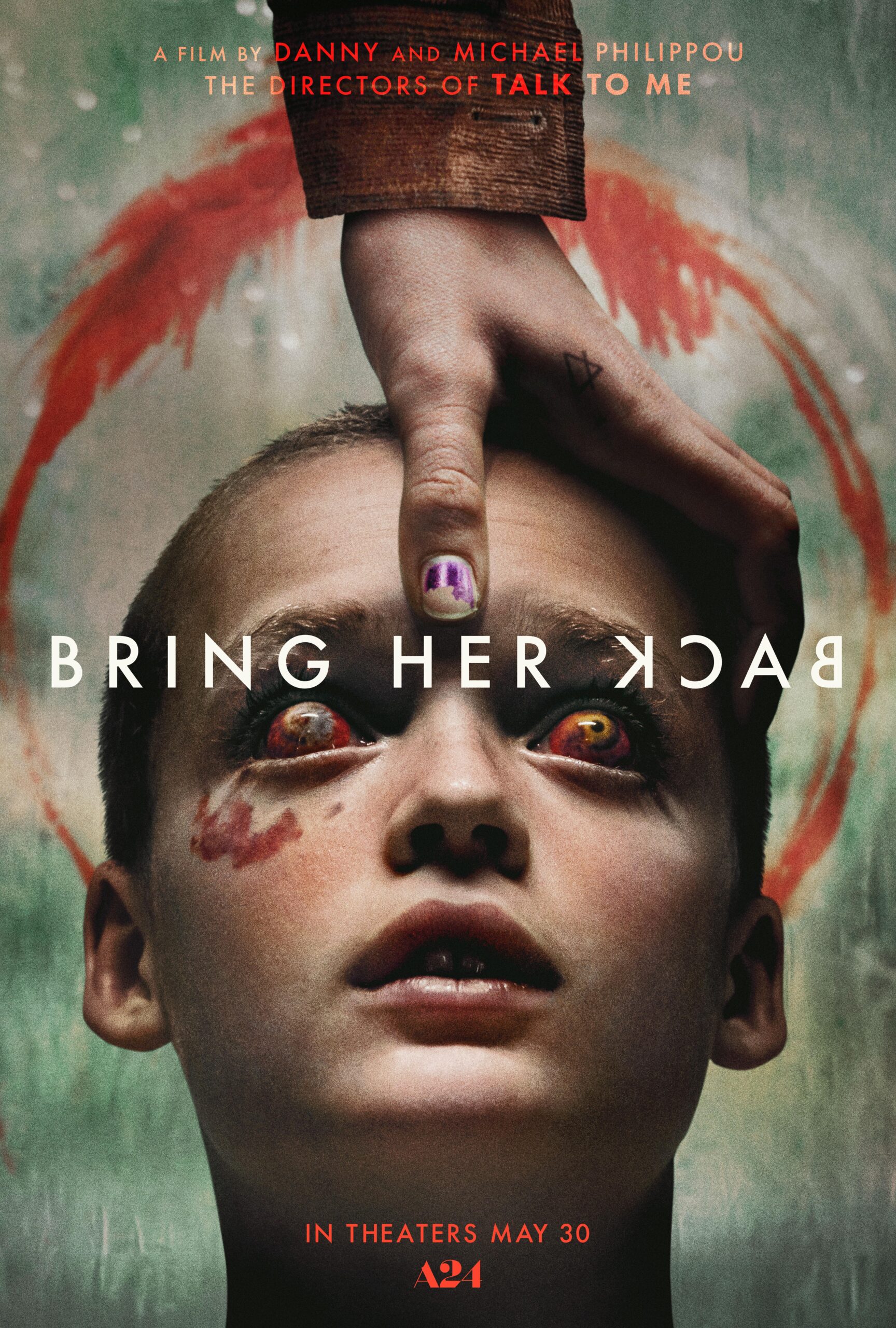
    This one creeps up on you. At first it feels familiar, like it’s going to play out as a standard thriller—you think you know the rhythm, the beats, the kinds of twists you’re about to see. But the longer it goes, the more it sheds that predictability, pulling you deeper into something darker and more suffocating than you expect. By the halfway point, you’re not coasting along on genre comfort anymore—you’re stuck in this slow grind of dread, and it doesn’t let you back out.

    The pacing is deliberate, and I mean that in the best way. Scenes take their time, conversations linger longer than feels comfortable, silences stretch on like the air’s been sucked out of the room. That pressure builds with each passing moment, making even the small things feel like they could snap the whole story open. It’s not a movie that runs on big set pieces or jump scares—it runs on inevitability. You don’t just watch bad decisions get made and lives spiral downward; you feel the weight of every choice dragging everyone closer to disaster. It’s like watching a fuse burn in slow motion, knowing exactly what’s at the end of it but powerless to stop it.

    The performances are what lock all of this into place. The lead actor doesn’t play grief like a clean, dramatic beat—they play it as something ugly, erratic, constantly shifting between rage, despair, numbness, and obsession. It’s raw in a way that makes the character hard to watch at times, but that discomfort is the point. You’re supposed to see someone tearing themselves apart and feel the pain of it. The supporting cast doesn’t get lost in the background either. Every side character adds to the bleak machinery of the plot, each one feeling like another gear grinding down toward the inevitable.

    The horror here isn’t really about what happens—it’s about what doesn’t stop happening. The losses, the regrets, the obsessions that won’t let go. Even when there’s no violence on screen, you feel trapped in it, like the whole world is rigged against anyone making it out whole. And when the violence does hit, it’s not flashy. It’s ugly, sudden, and final. The film doesn’t linger on spectacle—it lingers on aftermath. That’s what makes it land harder than anything that’s just designed to shock.

    If there’s one place where the film stumbles, it’s the ending. It pushes just a little too far, leaning into melodrama when it didn’t really need to. The spiral was already powerful enough on its own, but the final punch goes a touch over the top. Not enough to derail the story or sour the experience—just enough to make you wish it had been pared down slightly. Still, I’ll take a movie that overreaches because it’s trying to devastate you over one that plays it safe and lands flat.

    What lingers most after watching isn’t the scares or even the violence—it’s the sense of inevitability, the way it frames grief and obsession as traps you can’t claw your way out of. There’s no clean escape, no neat resolution. Just the lingering knowledge that loss changes people, and not always in ways they can control. It’s not easy to watch, but it’s the kind of film that sticks with you long after the credits roll. And for me, that impact makes it an easy 4.5/5.

  • Nosferatu

    Nosferatu

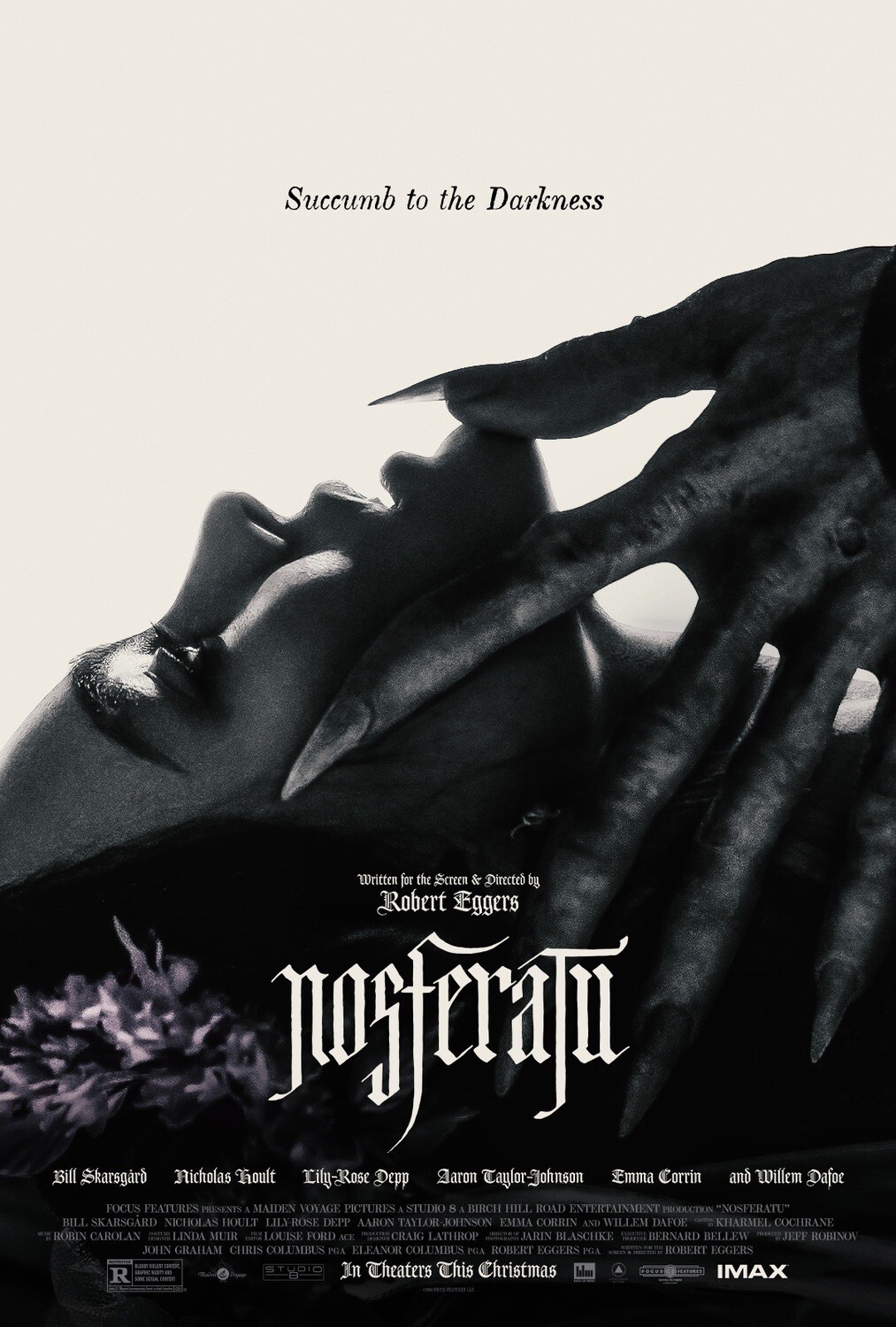
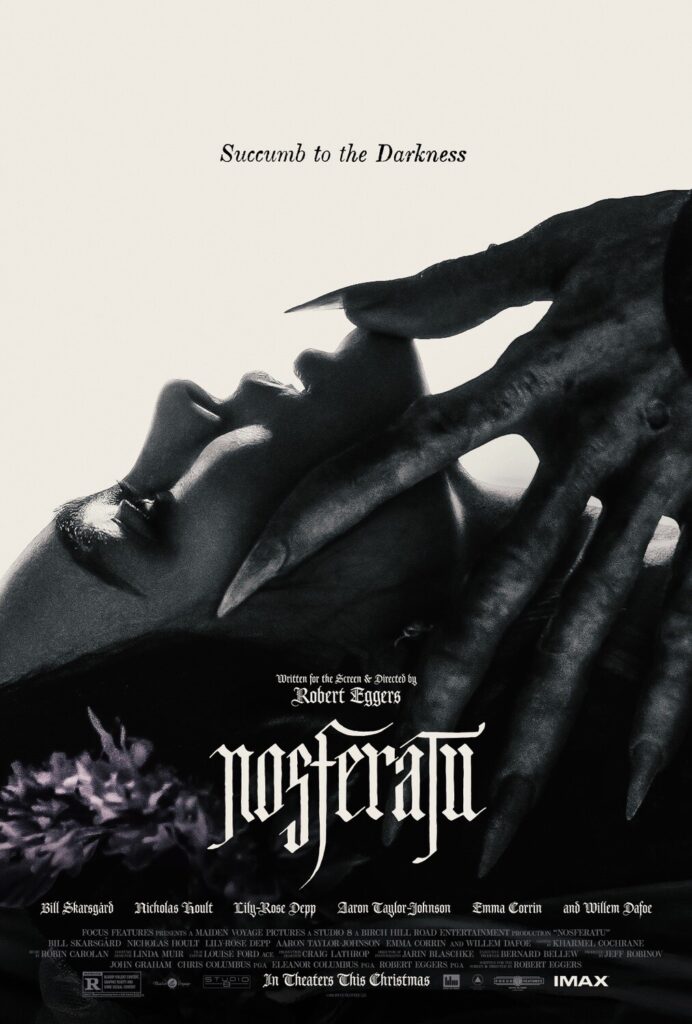
    Nosferatu (2024) Movie Poster

    Review

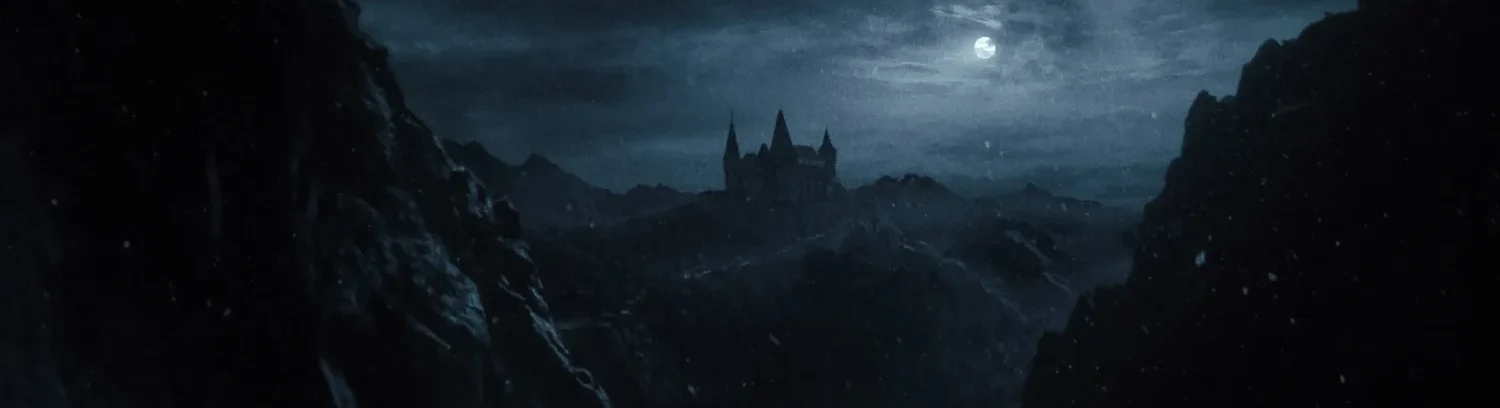
    There are movies that feel like stories, and then there are movies that feel like curses. This is one of the latter. Watching it feels like opening an old book you were warned not to touch and realizing too late that the warnings weren’t exaggerated. It doesn’t move fast, it doesn’t dazzle you with spectacle, and it doesn’t rely on cheap shocks. Instead, it builds this crushing, inescapable atmosphere that sinks into you like damp air in a cellar. It’s gothic horror in the purest sense—slow, heavy, and unrelenting.

    The visuals are immediately what pull you under. Every frame is crafted with the precision of a painting, but not the kind you’d hang on your wall. These are images that repel as much as they attract, beautiful but unsettling, like staring too long at something you know you shouldn’t. Shadows don’t just fall naturally—they stretch, distort, twist into shapes that feel alive. Candlelight flickers in a way that doesn’t comfort but instead highlights the emptiness beyond its reach. You’re constantly aware of what you can’t see, and that’s where the real terror lives.

    The performances give the imagery its weight. Nicholas Hoult is excellent as the kind of man who unravels in silence, his sanity peeling away one thin layer at a time. You can practically watch his body cave in under the pressure of what he’s seen. Lily-Rose Depp brings this fragile, almost otherworldly presence to her role, the kind of performance where the character feels less like a person and more like a ghost who hasn’t realized she’s already gone. And then there’s Skarsgård as Nosferatu—something genuinely monstrous. Not the romanticized vampire we’ve been fed by decades of pop culture, not even the tragic, brooding figure you might expect in a modern gothic. He’s revolting. Every movement feels unnatural, every glance curdled with malice. He doesn’t just drink blood—he contaminates every space he enters.

    What makes the film truly effective, though, isn’t the monster himself. It’s the dread that surrounds him. The film understands that horror isn’t about what you see but about what you know is coming. Long silences stretch out until they’re unbearable. Footsteps echo in empty corridors, and you’re certain something is there even when the frame insists it isn’t. It’s that anticipation, that certainty of doom, that makes the experience suffocating. You’re not just watching a story unfold—you’re waiting for the inevitable, and the inevitability is worse than anything sudden.

    Some people will call it slow. Some will call it pretentious. And honestly, if you’re looking for rollercoaster pacing or jump scares every few minutes, you’re going to be disappointed. But that’s not the point. This isn’t horror built for adrenaline. It’s horror built for corrosion—for the way dread eats away at you over time until you realize you’re trapped in it. The slowness is the design. It’s the weight pressing down, the centuries of rot settling over every character and every location.

    The film also deserves credit for refusing to compromise. It doesn’t wink at the audience, doesn’t modernize the myth to make it more palatable. It plays the material straight, almost archaically straight, and that commitment gives it its power. You don’t feel like you’re watching a contemporary update of a classic. You feel like you’re watching something dug up, something that was always there, waiting. That’s a rare kind of confidence in filmmaking—to trust that the audience will come to it rather than watering it down to meet modern expectations.

    By the time it ends, you’re not left with catharsis or relief. You’re left with a kind of heaviness, like you’ve been carrying someone else’s nightmare for two hours and now it’s yours to keep. It’s bleak, it’s relentless, and it’s exactly what it needs to be. For me, that kind of total commitment earns nothing less than a perfect 5/5.

  • Weapons

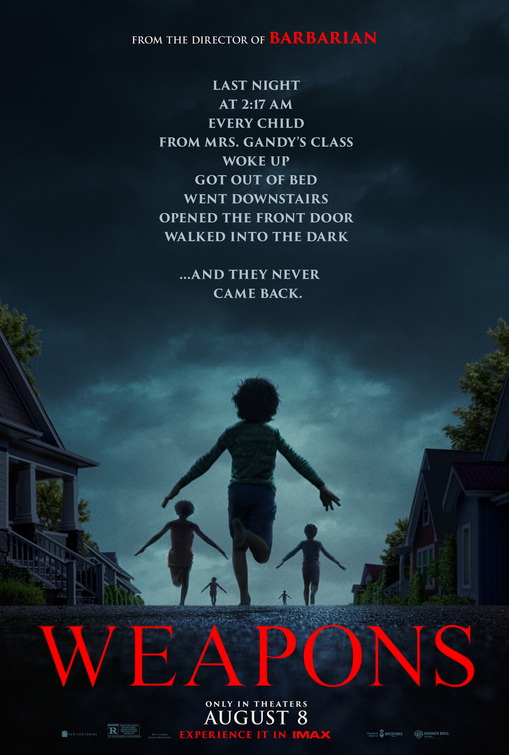
    Weapons

    Review

    Honestly hated seeing this at the theater. People were laughing the whole time, which completely killed any tension the movie might have had. Every beat that was supposed to land serious or heavy got drowned out in this awkward wave of chuckles, and once that happened, it was impossible to get pulled back in. It ended up feeling directionless, like the film couldn’t decide what it wanted to be or how it wanted to be taken.

    The biggest issue for me was the structure. Way too many POVs, all split up into their own little sections, and none of them brought enough to the story to actually earn that space. It felt like the movie kept resetting itself over and over, but without the payoff you’d expect from that kind of format. Every time it shifted to a new perspective, I’d think, “Okay, maybe this one will tie it all together,” and then it just… didn’t. Instead of building momentum, the constant shifts made everything feel thinner and more scattered, like the movie was spreading itself out instead of digging in.

    And the tone—man, the tone was all over the place. It wasn’t scary enough to qualify as horror, wasn’t tense enough to work as a thriller, and it definitely wasn’t funny enough to pass as a comedy. It just sat in this awkward middle zone where nothing stuck. If you’re going to blend genres, at least one of them has to land with confidence. Here, none of them did. The “big moments” that were supposed to hit—scares, shocks, emotional beats—they all felt weirdly hollow, partly because the buildup never worked and partly because the audience wasn’t buying into it.

    There were flashes of something better, which almost made the whole experience more frustrating. A few shots looked incredible, like they belonged in a sharper, more confident film. Certain scenes hinted at a darker, more focused story that might’ve been worth following. But the movie never stayed there. It kept tossing out new threads it couldn’t hold onto, like it was trying too hard to be clever or ambitious without asking if the story it was telling could actually support all that weight.

    What really killed it was the lack of emotional anchor. You never feel truly connected to any of the characters because the film doesn’t give you enough time to sit with them before pulling you away. That’s fine if the movie pays it off later by weaving all those perspectives into something bigger, but it never really does. Instead, it just circles around itself until you stop caring. There’s no catharsis, no real resolution—just a pile of ideas that don’t add up to much.

    By the end, I was left wondering who this was supposed to be for. Horror fans won’t find it scary. Thriller fans won’t find it tense. Comedy fans definitely won’t find it funny. And anyone who just wanted a good story is going to be frustrated by how messy and unfocused it all feels. It’s not unwatchable, but it’s not worth revisiting either. Just one of those films where you can see the ambition, but you can also see exactly where it falls apart.

    So yeah… not terrible, not great. Just aggressively fine. Like maybe a 6.5/10.

  • Mulholland Drive

    Mulholland Drive

    Review

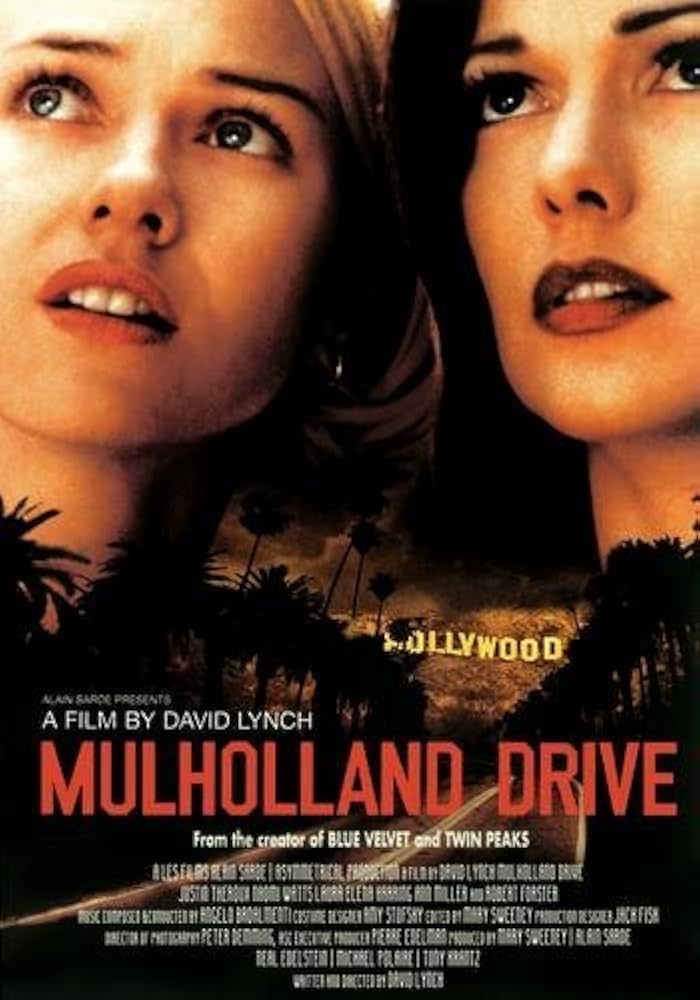
    This is one of those movies that doesn’t just stick in your head—it burrows in. The experience of watching it is so much stranger, heavier, and harder to pin down than a number can capture. It’s like a dream that makes perfect sense while you’re in it, only to fall apart when you try to explain it out loud. But instead of fading, it lingers. The confusion becomes part of the memory, and the memory keeps replaying itself until you start to wonder if you actually lived it. That’s the level we’re talking about here.

    On the surface, the movie looks like it’s playing the usual game of Hollywood mystery. Bright-eyed actress comes to L.A. chasing her dreams, stumbles into something dark, gets tangled up with strange characters. You think you’ve seen that before, but Lynch flips it inside out until the bones of the story don’t look like anything familiar. The narrative structure is slippery, fragmented, constantly undercutting itself. Normally I hate when films lean on “dream logic” as an excuse to not make sense—it feels cheap, like a gimmick—but here it’s completely earned. The disorientation doesn’t feel like a trick. It feels essential.

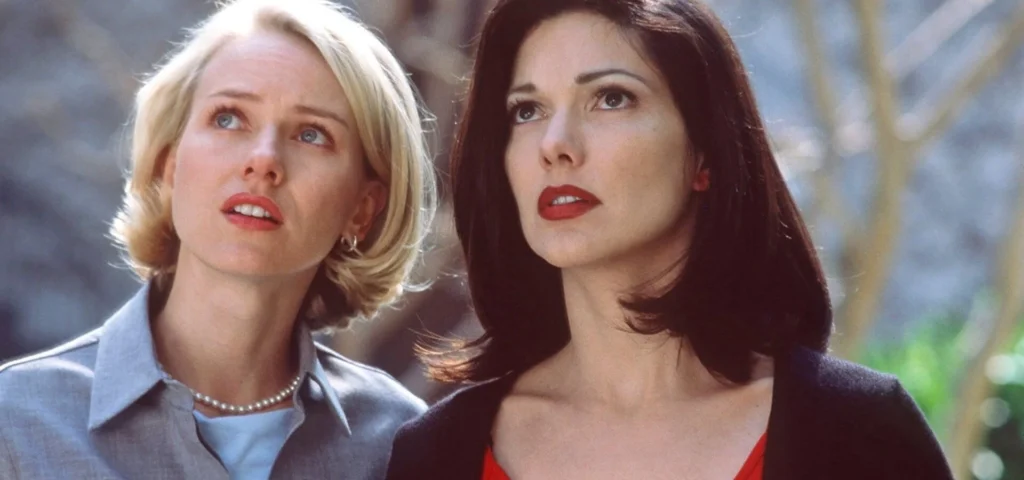
    Naomi Watts is the anchor that makes all this surreal chaos hit so hard. Her performance is honestly legendary, and I don’t use that word lightly. She starts out playing this almost parodic version of the Hollywood ingénue—so sweet and bubbly that it’s hard to take seriously. Then the audition scene comes, and suddenly you realize you’re watching one of the most unnerving transformations an actor has ever pulled off. It’s not just that she’s convincing—it’s that you can’t reconcile the two performances as the same person. And that split in her character mirrors the whole film’s split reality. Every time the movie shifts, she becomes someone new, and yet it all still feels connected. It’s unreal.

    The supporting characters all add to that same uncanny texture. Laura Harring’s Rita is more cipher than person, but that’s what makes her effective—she’s mystery incarnate, a blank slate onto which the film projects fear, desire, and dread. The bit players too—the cowboy, the director, the hitman—each of them feel larger than their screen time, like echoes from a nightmare you can’t quite remember but know you’ve had before. Every scene feels haunted by something just off-screen.

    What really elevates the film, though, is the atmosphere. Lynch is unmatched when it comes to pulling dread out of ordinary spaces. A diner, a living room, a theater—they all feel wrong. Not in the obvious horror-movie way, with blood and shadows, but in this subtle, humming way that makes your stomach turn. The diner scene especially—it’s two guys talking, nothing flashy, and yet it’s one of the scariest sequences ever put on film. You sit there waiting for something awful, and when it comes, it’s almost nothing. But the build-up rewires your brain so that “almost nothing” lands like a bomb.

    And then there’s Club Silencio, which is maybe the most perfect encapsulation of the whole film’s power. “No hay banda”—there is no band. The music you hear isn’t real. It’s a recording. Everything you think you’re experiencing is fake, but your tears are real. That’s Lynch in a nutshell: creating moments that feel more authentic in their artificiality than most “realistic” movies ever achieve.

    It’s not a film that explains itself, and that’s why it lasts. If it gave you answers, you’d move on. Instead, it leaves you in pieces, puzzling over images, haunted by feelings, unsettled in a way you can’t shake. It’s Hollywood satire, psychological horror, tragic romance, and surreal fever dream all at once. And somehow, against all odds, it works.

    That’s why it’s not just a favorite—it’s a benchmark. The kind of movie that makes almost everything else look small in comparison. Absolutely untouchable. 10/10.

  • Shrek

    Shrek

    PLACEHOLDER

    Review

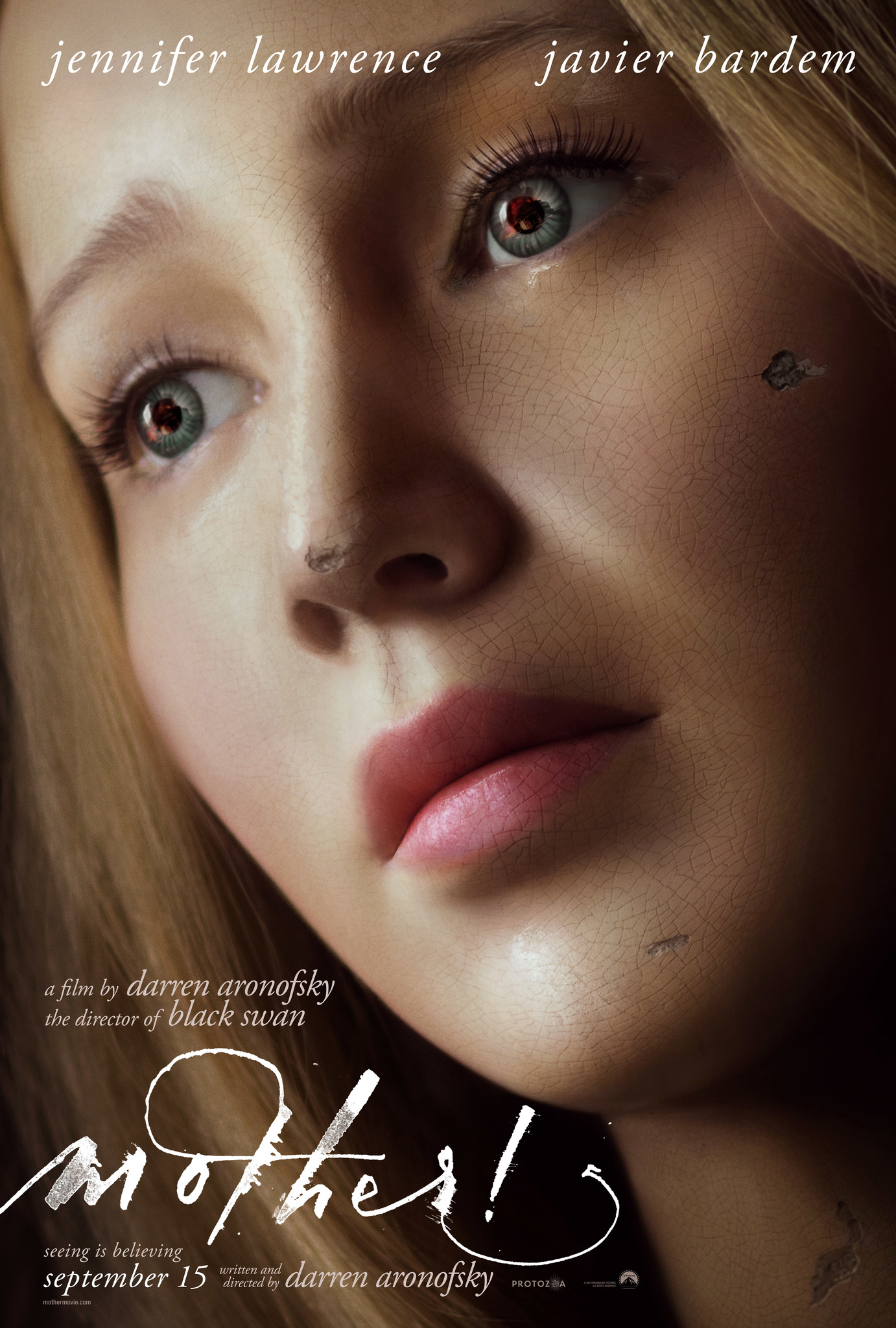
  • Mother!

    Mother!

    PLACEHOLDER

    Review

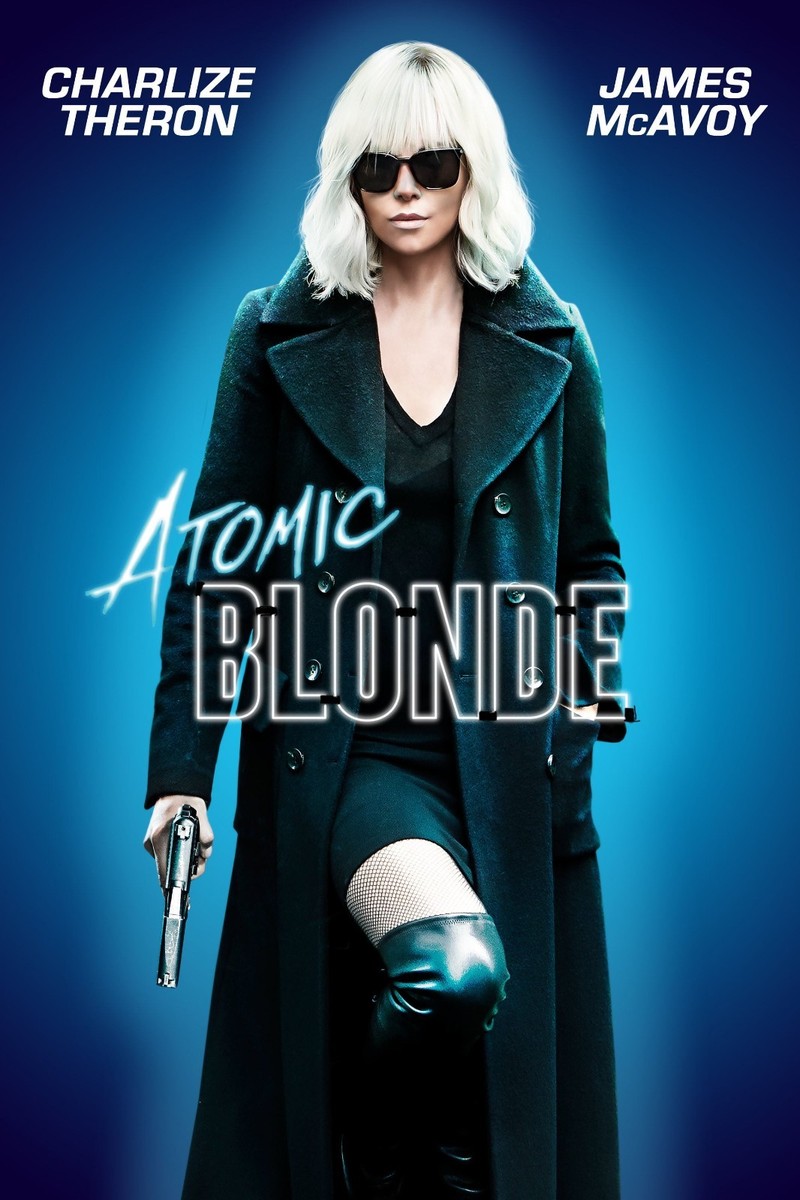
  • Atomic Blonde

    Atomic Blonde

    PLACEHOLDER

    Review